
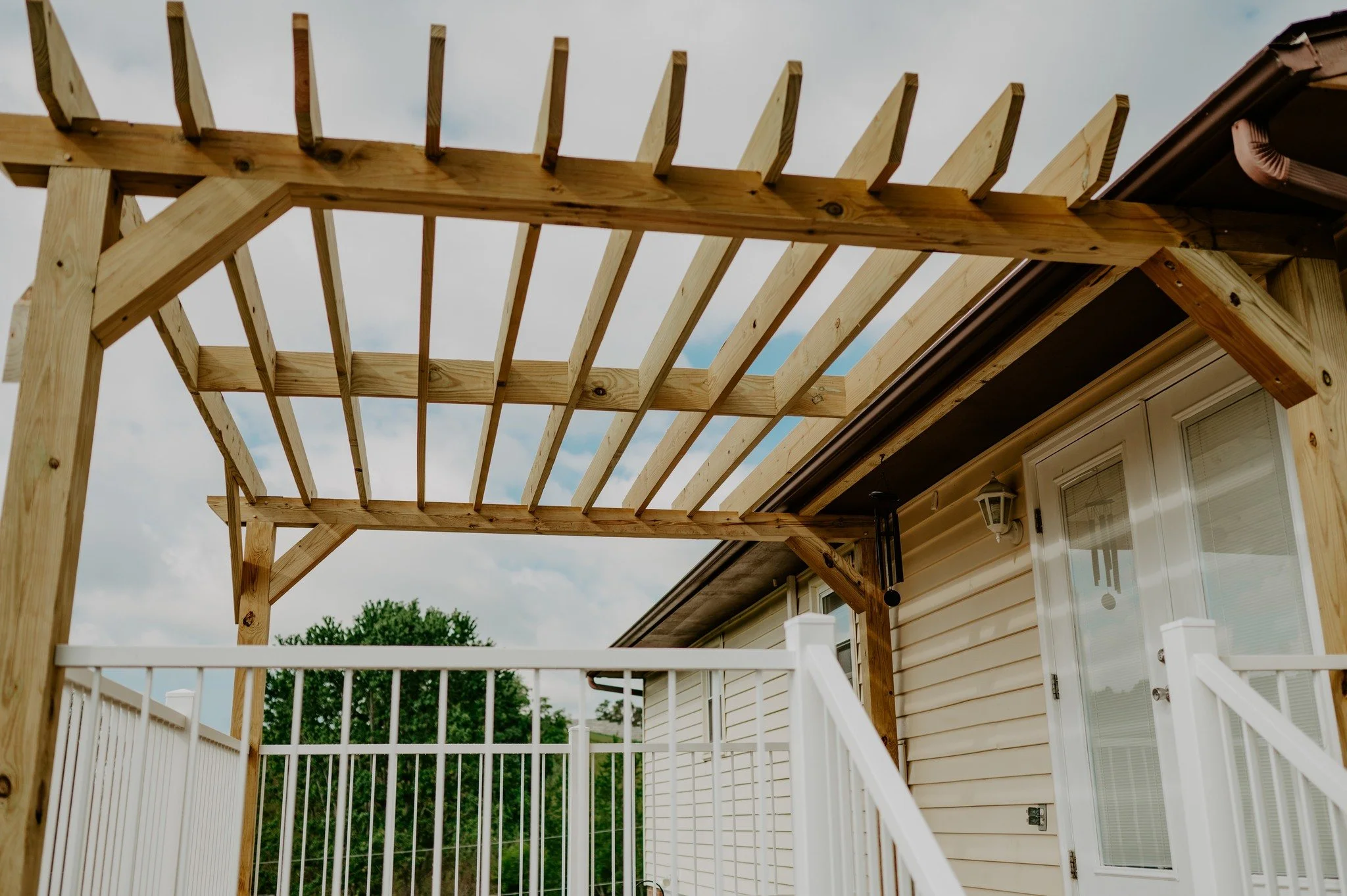
Pergola Construction in Blacksburg for Lasting Outdoor Living Spaces
A custom pergola transforms your Blacksburg backyard into the kind of shaded retreat where you actually want to spend time. You can finally relax after work or host those weekend dinners with family you've been putting off. The right pergola gives you functional outdoor space that stands up to everything Virginia's weather throws at it. We build structures that are designed for the foundation types that work in local soil while selecting lumber that fights off Blacksburg's humidity and those brutal freeze-thaw cycles. Our licensed deck builders walk you through everything from your initial design ideas all the way to Montgomery County permit approval and the final inspection.
Why Choose McLearn Construction and Remodeling for Your Pergola Project
We've been building pergolas across Montgomery County for over 5 years now, working with homeowners who need outdoor structures that can handle everything Virginia's weather dishes out. Our crew knows Blacksburg's soil conditions inside and out, understands the permit requirements, and uses building techniques that prevent those common failures you see with rushed or inexperienced work.
You won't spend time chasing us down for updates or wondering when inspections are happening. We handle all the permit paperwork and coordinate with Montgomery County inspectors from start to finish, and our customers talk about on-time completion and clean jobsite practices in their reviews because we treat your property the same way we'd want contractors treating ours.
Our local supplier relationships mean you get premium wood grades at competitive pricing. We're not marking up materials just to pad our profit, instead we pass along the savings from buying direct and buying in volume.
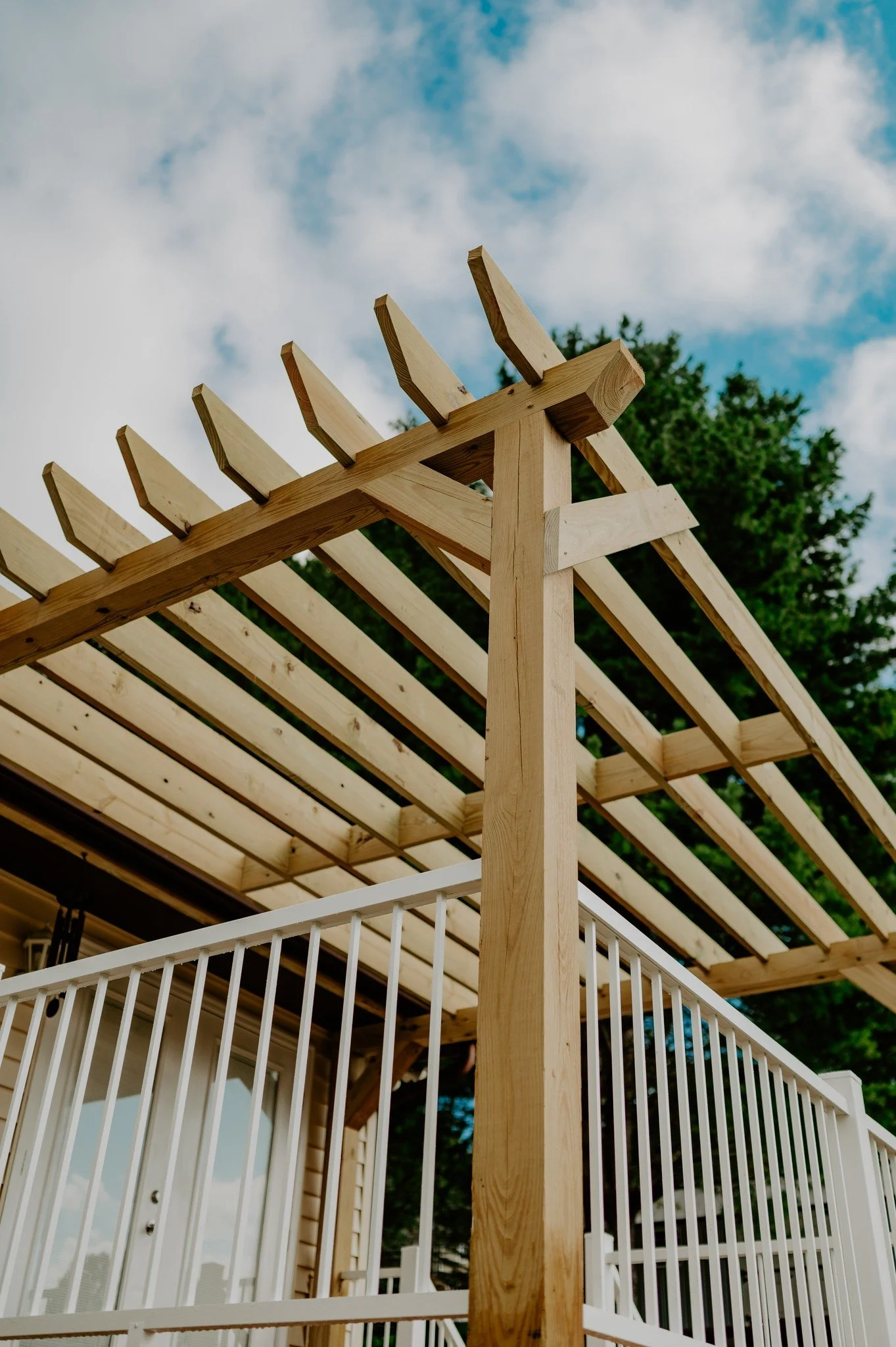
Pergola’s Built by McLearn Construction
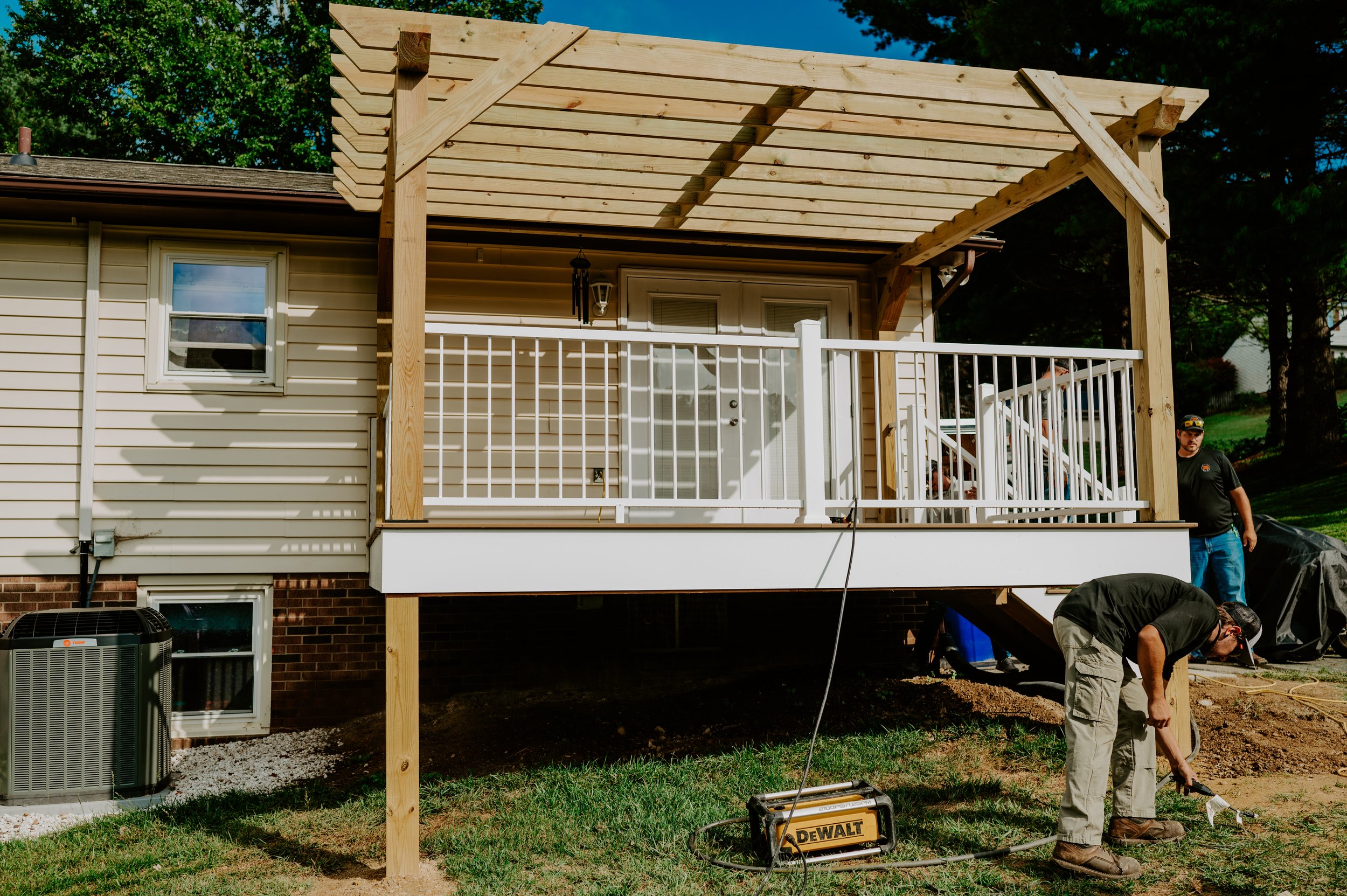

Choosing the Right Foundation for Your Pergola Project
Blacksburg's soil and those freezing winters mean your footings need to stay put when the ground moves with the seasons. Concrete piers that go at least 24 inches below grade avoid the winter frost, and properties throughout the area often deal with clay-heavy soil that needs wider footings to spread out the weight and keep everything from settling.
When you skip proper foundation work, you end up with posts that wobble or beams that drift out of alignment within a few short years. Don’t pay twice to get the job done correctly—choose a certified deck builder and get it done right the first time.

Selecting Pressure-Treated or Cedar Wood for Virginia Weather
Blacksburg's humid summers and wet winters will have a heavy impact on lumber that can't handle moisture. Your pergola structure needs wood that fights off rot and holds up through years of wild temperature swings or constant rain that this area of Virginia can get.
Pressure-treated pine delivers solid performance without breaking the bank up front. Seal it properly and it'll last you 15 to 20 years while handling Virginia weather without turning into a maintenance nightmare. Most people go with treated pine when they want a pergola that works well but doesn't stretch their budget too thin.
Western red cedar costs more money upfront but it fights off decay naturally without any chemical treatment so you'll spend less time maintaining it over the years. You also get that premium look that homeowners in downtown Blacksburg's historic district really appreciate. If you're planning to stay in your home for many decades and want a pergola that ages gracefully without constant upkeep, cedar makes a lot of sense and is definitely worth a little extra cost.
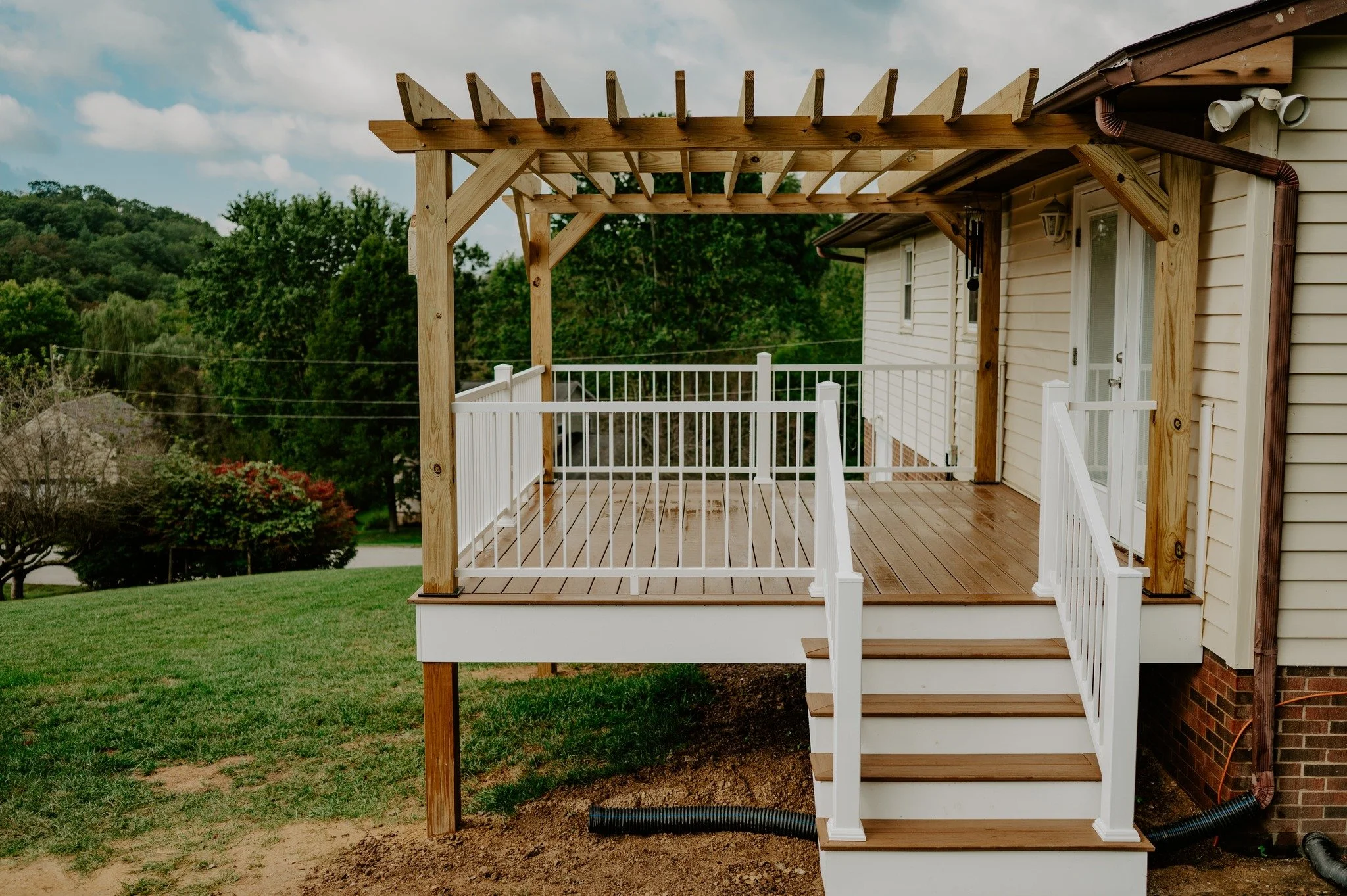
Proper Post and Beam Sizing Prevents Sagging and Collapse
Posts that are too small cause beams to sag on Blacksburg pergolas wider than 10 feet, and you'll see it happen within the first year when what looked rock-solid during installation starts drooping as the structure settles and the wood soaks up moisture through the seasons.
For pergola roofs that span more than 12 feet wide, it is required to use 6x6 posts. If you’re just adding a smaller shade structure then 4x4 posts are fine. Ensuring you have the proper support to handle winter storms that will cause a lot of snow and ice accumulation is of utmost importance. We also look at beam span ratings to figure out the right spacing for rafters. Our crew is careful and we make sure you don’t end up with weak spots that will buckle when snow starts piling up.
Professional builders calculate loads based on Montgomery County building codes and whatever your roof material weighs. Guessing at dimensions or copying some design you found online puts your whole investment at risk, but a pergola built with proper sizing will handle Virginia weather for decades instead of needing repairs after the first hard winter hits.

Common Pergola Construction Mistakes That Cost Homeowners Later
When builders skip post brackets, they create rot right where the wood sits on concrete footings. Water creeps up into the post base and within a few years you're staring at structural damage that means tearing down and rebuilding whole sections of your pergola.
Blacksburg homeowners end up paying for repairs when builders skip proper joist hanger installation or just guess at rafter spacing instead of following actual engineering standards. That uneven spacing creates weak points that buckle when snow piles up during winter storms, and properties with drainage problems need careful planning to stop water from pooling around pergola posts. Standing water speeds up rot and eats away at your footings over time, so getting grading and drainage solutions right during the original construction saves you from expensive fixes down the road.
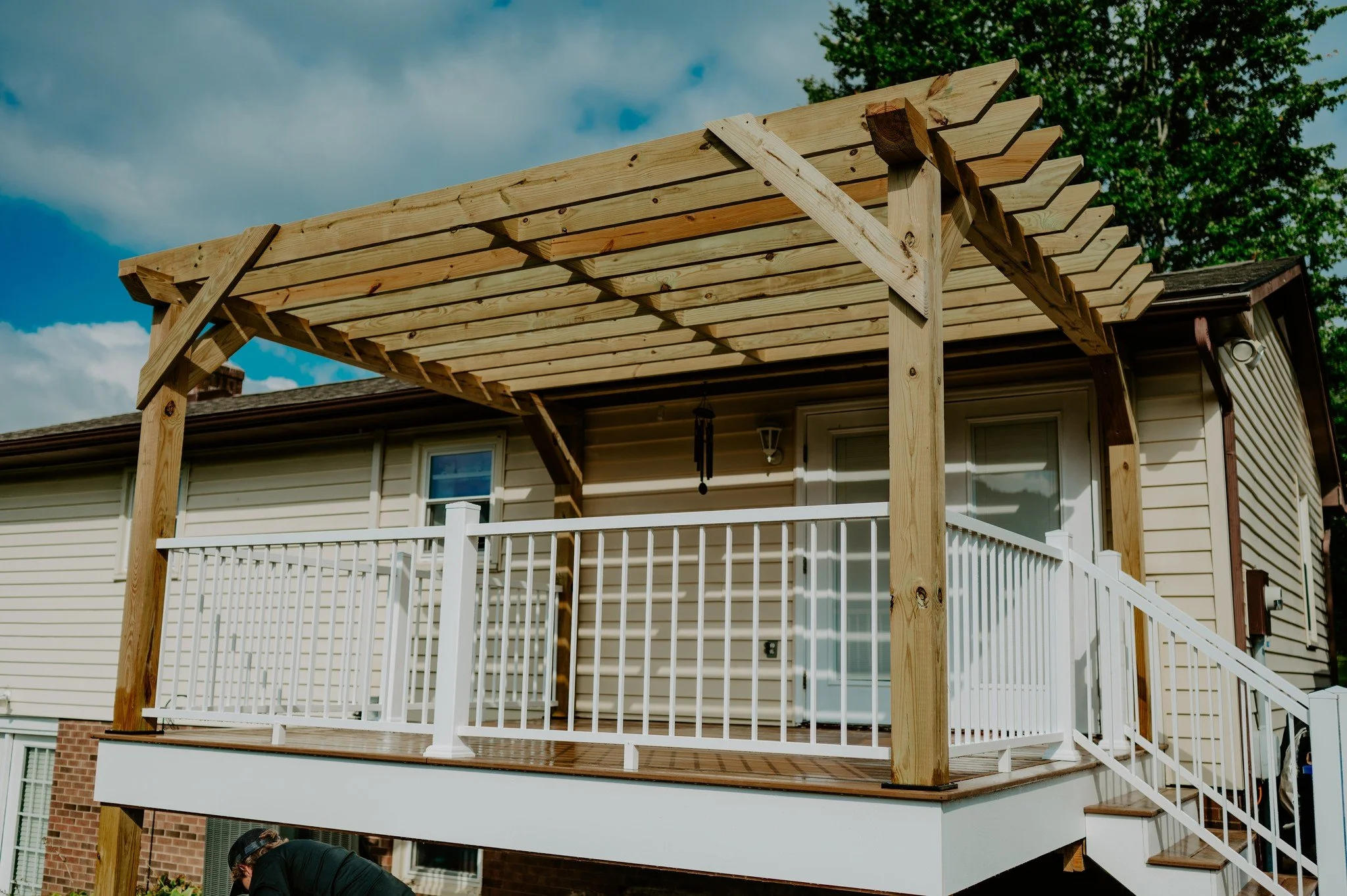
Blacksburg Permit Requirements for Attached and Freestanding Pergolas
Montgomery County requires building permits for larger pergolas and any structure that connects to your home, and these permit requirements make sure your pergola meets safety standards and building codes that protect your investment.
Your permit application needs site plans that show how far your pergola sits from property lines. Blacksburg's zoning rules lay out exactly how close structures can be to boundary lines, and if violations get discovered later you're forced to tear everything down and rebuild it the right way.
Inspections check that your footings go below the 24-inch frost line and that structural connections meet current code standards. The inspector looks at your work before you fill in the footings and then comes back after everything's done, and trying to skip this process creates real problems when you go to sell your home or file an insurance claim after storm damage.
Processing takes two to four weeks from when you apply to when you get approval, so you need to plan your construction timeline around those permit waiting periods. Starting your project in early spring means you're not rushing through construction during Blacksburg's brutal summer heat or losing work days to fall rain.
Frequently Asked Questions
Do I need a permit to build a pergola in Blacksburg?
1
Yes, Montgomery County requires permits for larger pergolas and any structure that attaches to your home. Permit requirements change based on pergola size and where you're putting it, and applications need site plans showing how far you are from property lines while inspections verify that footing depth and structural connections meet code. Even smaller freestanding pergolas benefit from permit approval because it helps you avoid complications when you sell your home or file insurance claims.
What wood type lasts longest in Blacksburg's climate?
2
Pressure-treated pine and cedar both stand up to Virginia's humidity and temperature swings really well. Treated pine that's sealed properly lasts 15 to 20 years and costs less, while cedar fights off decay naturally without chemical treatment and needs less maintenance over its lifetime. Your choice comes down to your budget and how long you're planning to stay in your home.
Can you build a deck on a steep slope in Blacksburg?
3
We install multilevel decks on slopes up to 35% using extended posts and engineered footings. The design follows your property's natural grade instead of requiring extensive grading work. Steep lots actually benefit from tiered deck construction.
Posts need footings that extend at least 24 inches below grade to clear the frost line and prevent winter heaving. Local soil conditions often require wider pier footings to spread weight out properly and keep everything stable through seasonal ground movement.
How deep do pergola posts need to go in Blacksburg soil?
4
Most pergola projects wrap up in 3 to 5 days after permits clear. Permit processing takes 2 to 4 weeks, so your total timeline from application to finished pergola runs about 3 to 5 weeks. Weather delays and custom features can stretch construction time out, but we keep you updated on any schedule changes.
How long does pergola construction take in Blacksburg?
5
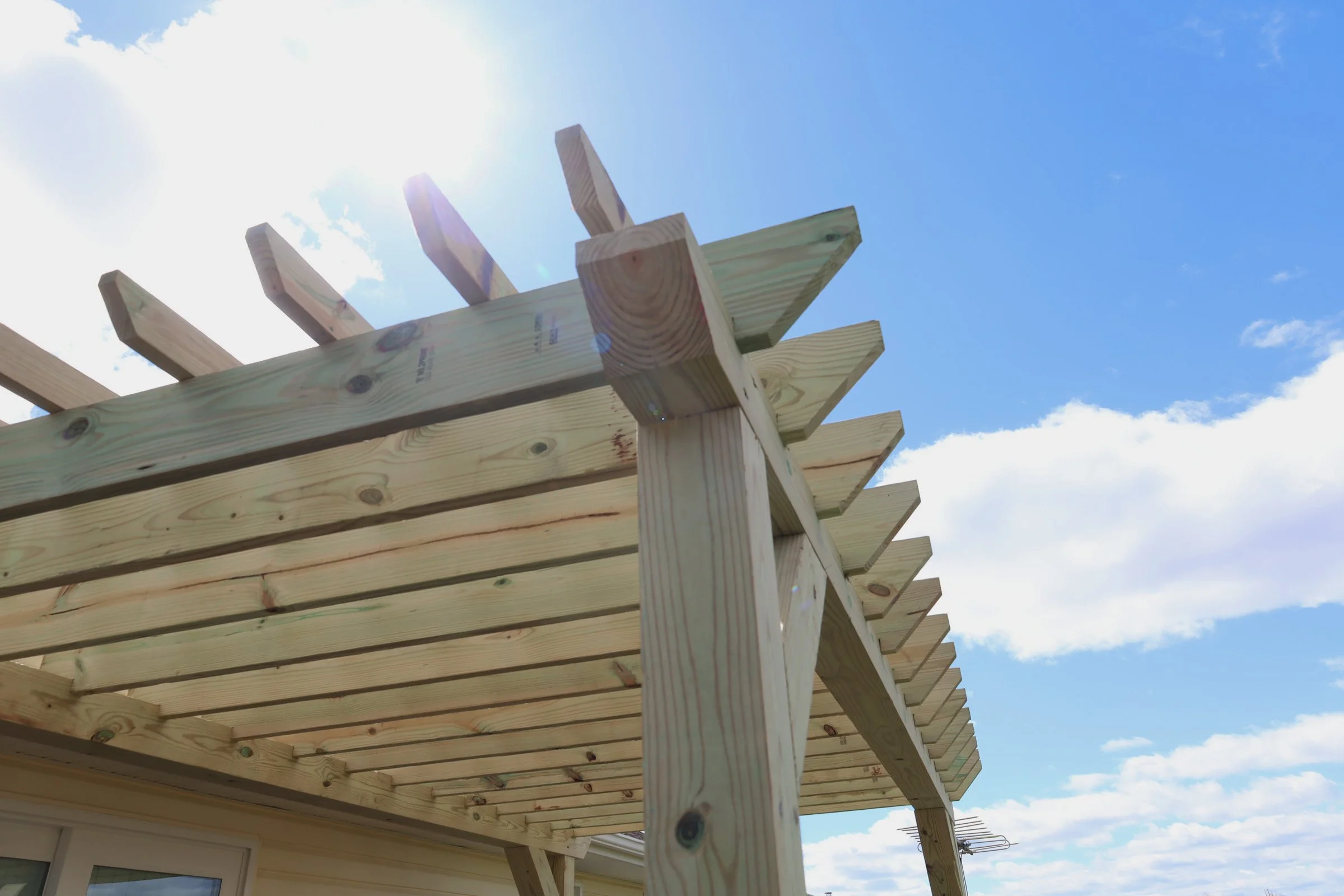
Quality Pergola Building in Blacksburg Virginia
If you’re thinking about building a pergola in Blacksburg VA, or surrounding areas, contact us for a free estimate on your project! We provide straightforward pricing and quality craftsmanship for all of our pergola and deck building projects!