
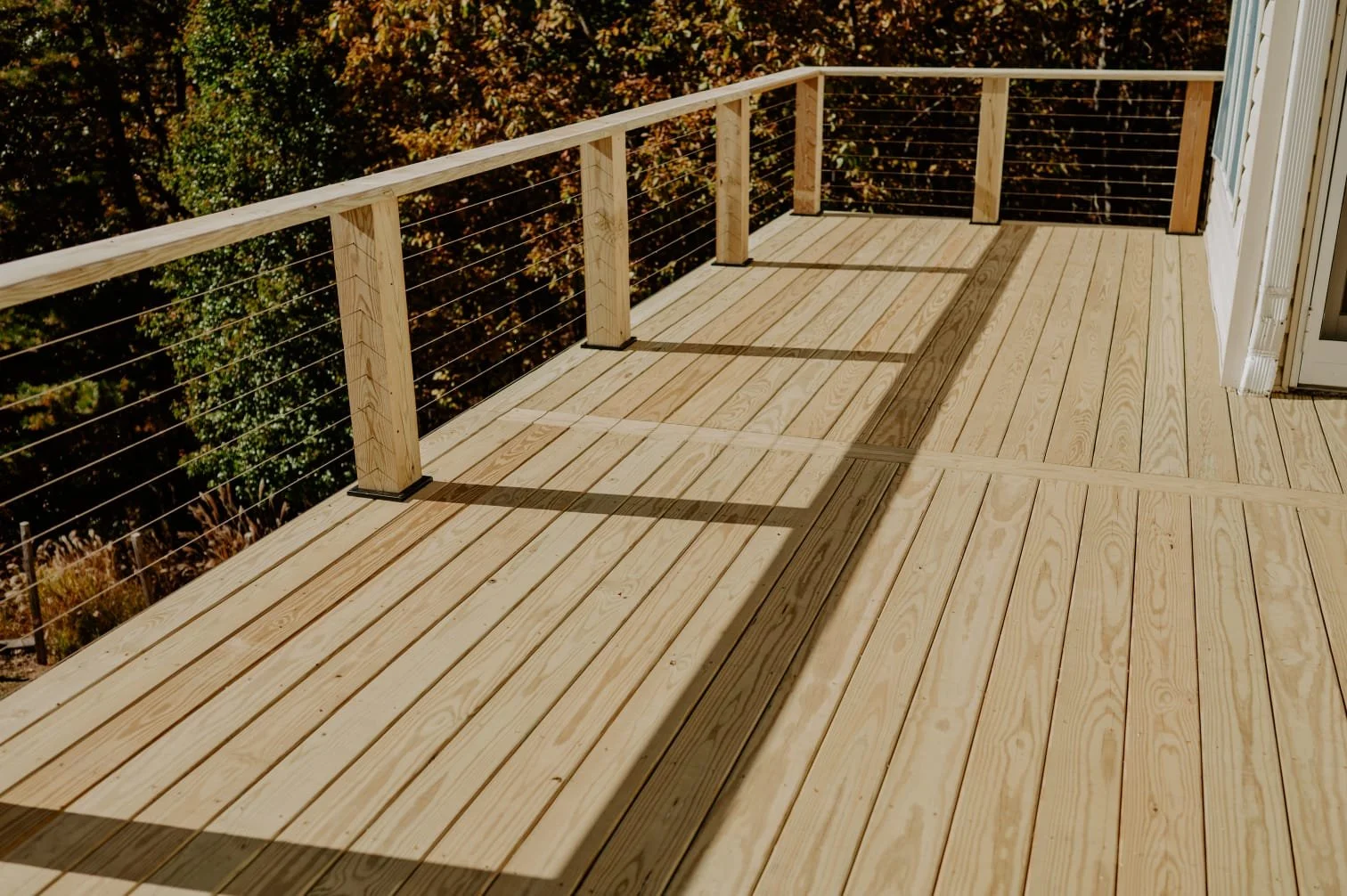
Deck Building Near Virginia Tech - Blacksburg, VA
Virginia Tech University sits at the center of one of the most livable small cities in Virginia. Blacksburg is subject to hot summers and cold winters but outdoor living still matters in every season. We only use deck materials that hold up to mountain weather and the extra foot traffic from Hokie Football get-togethers.
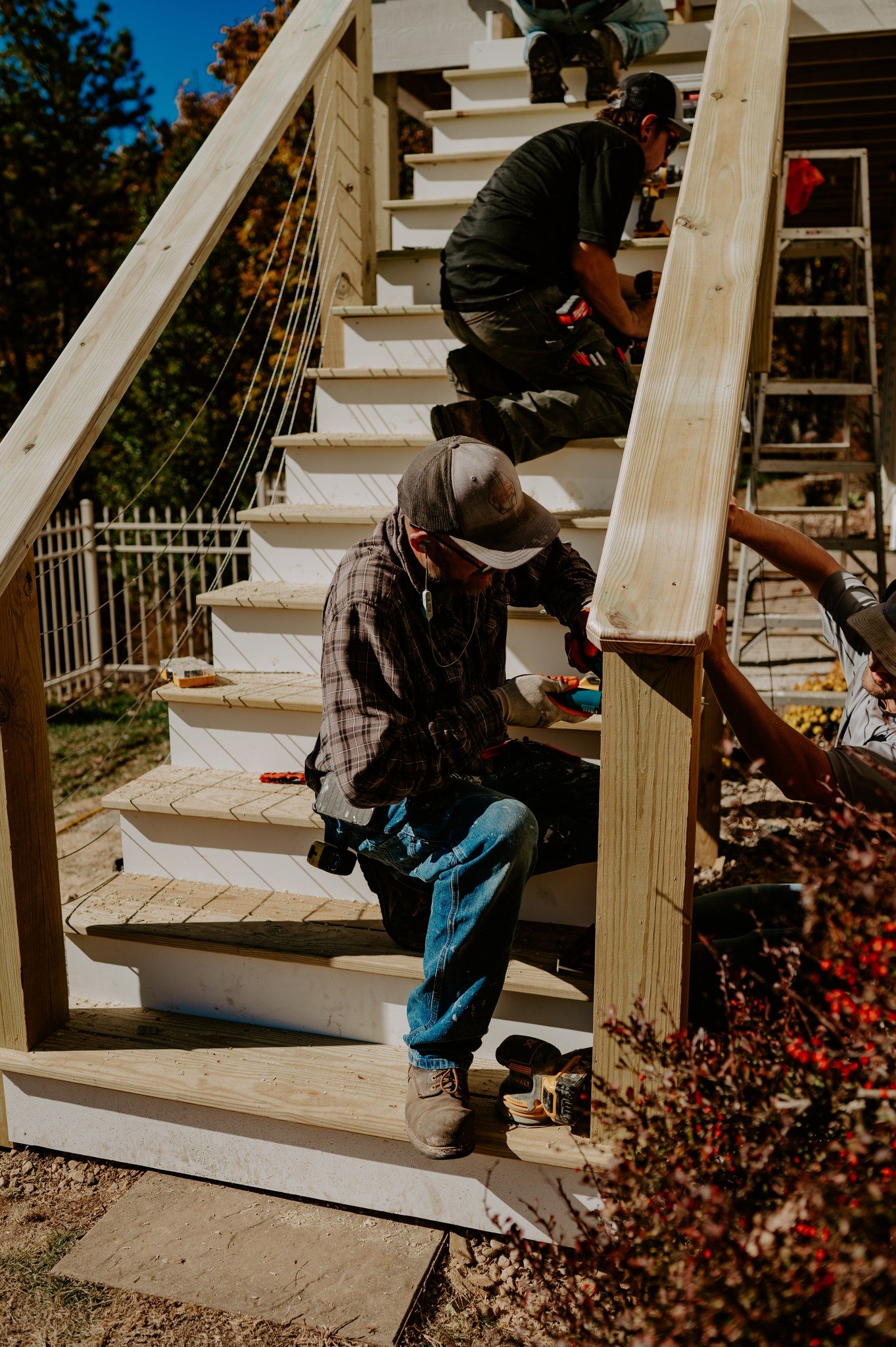
Our Recent Deck Building Project
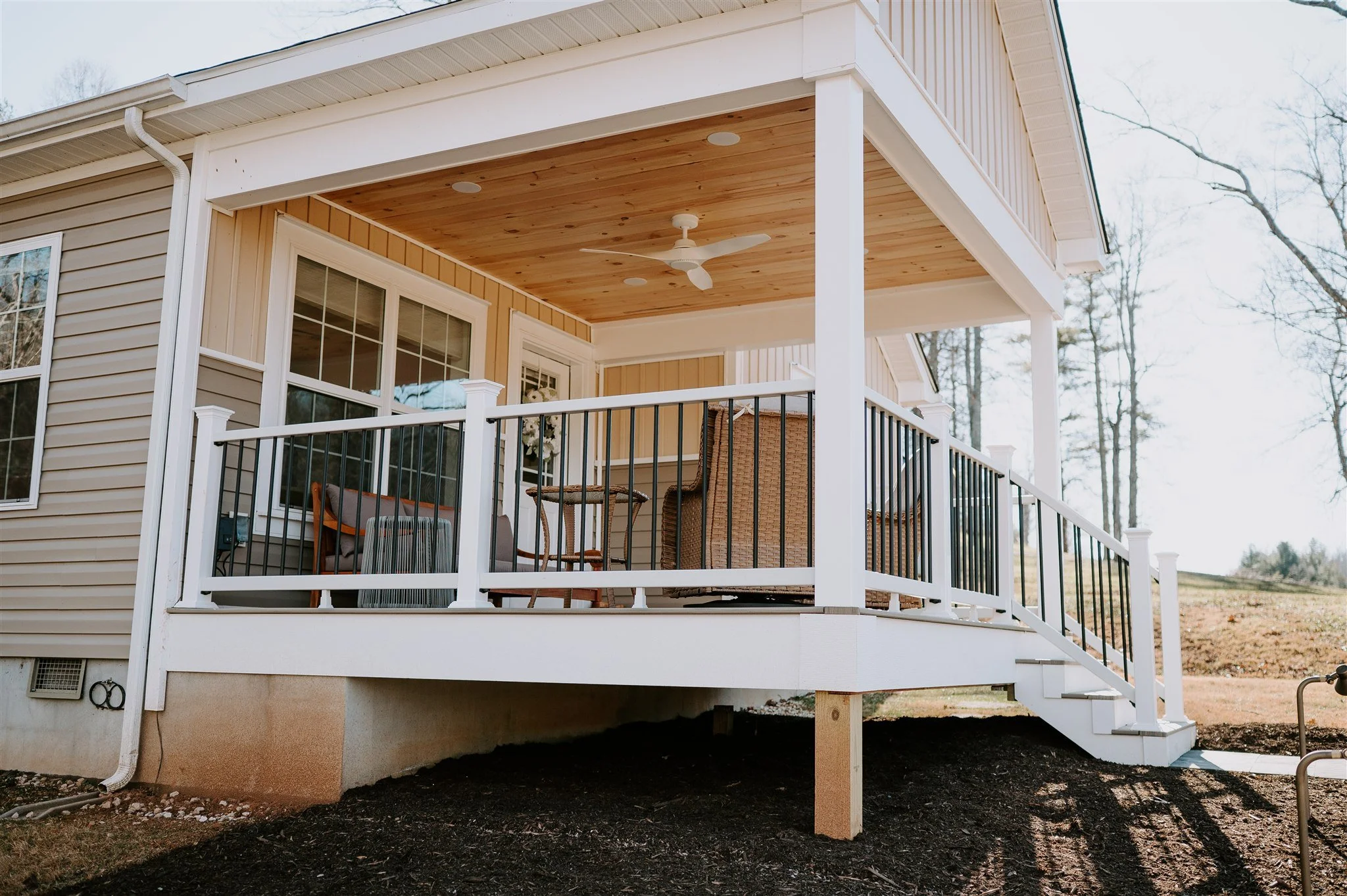
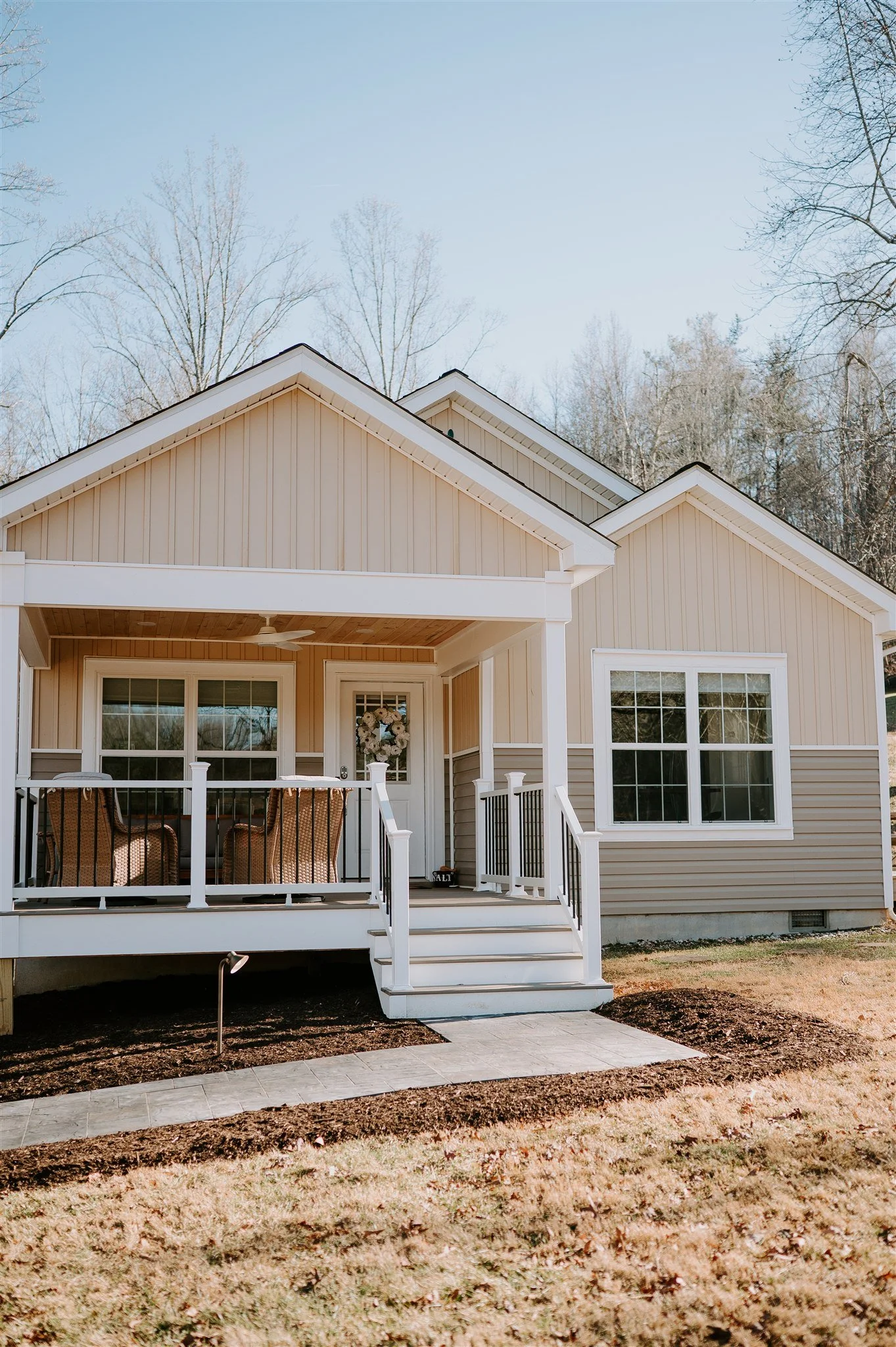
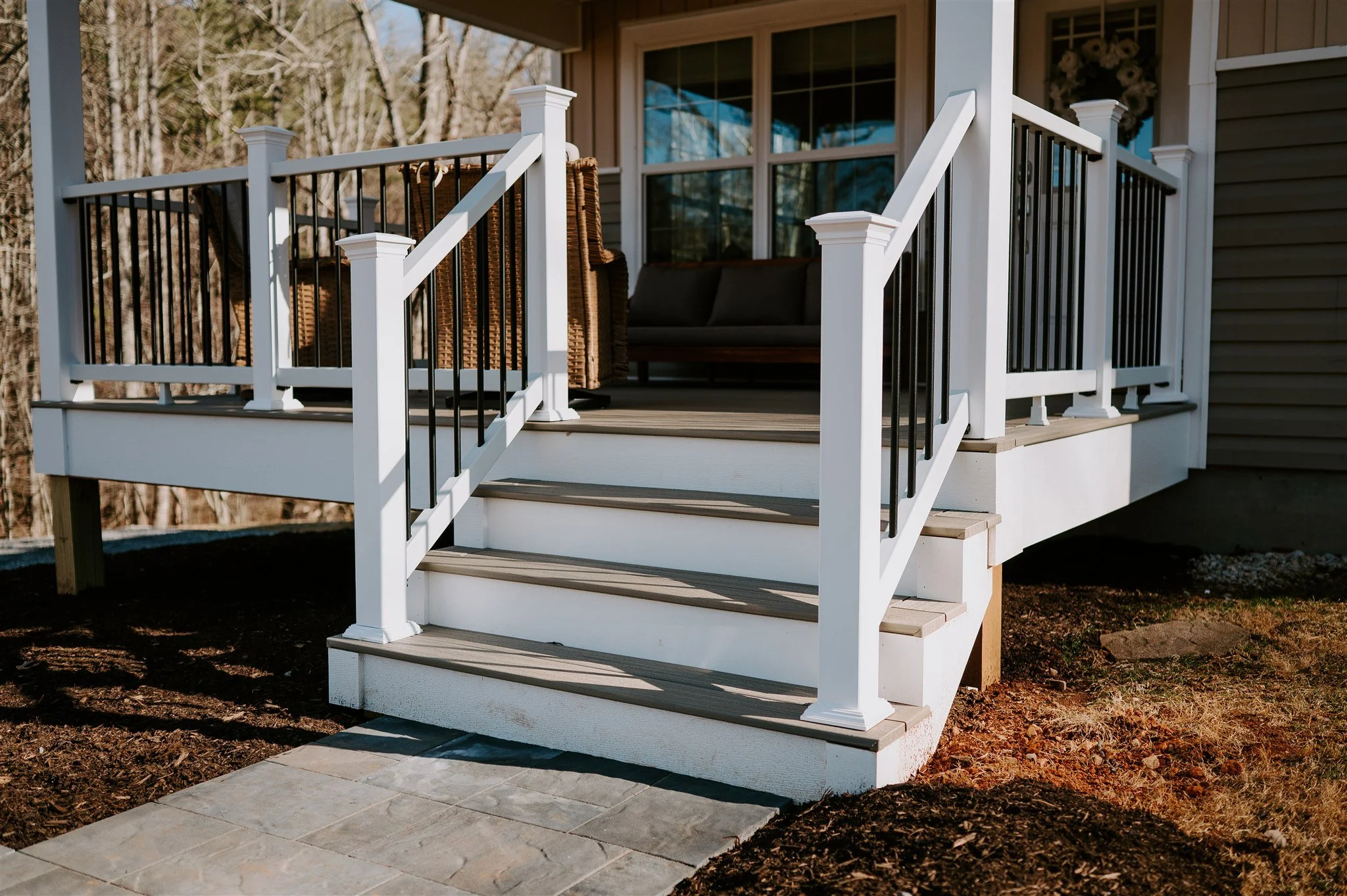
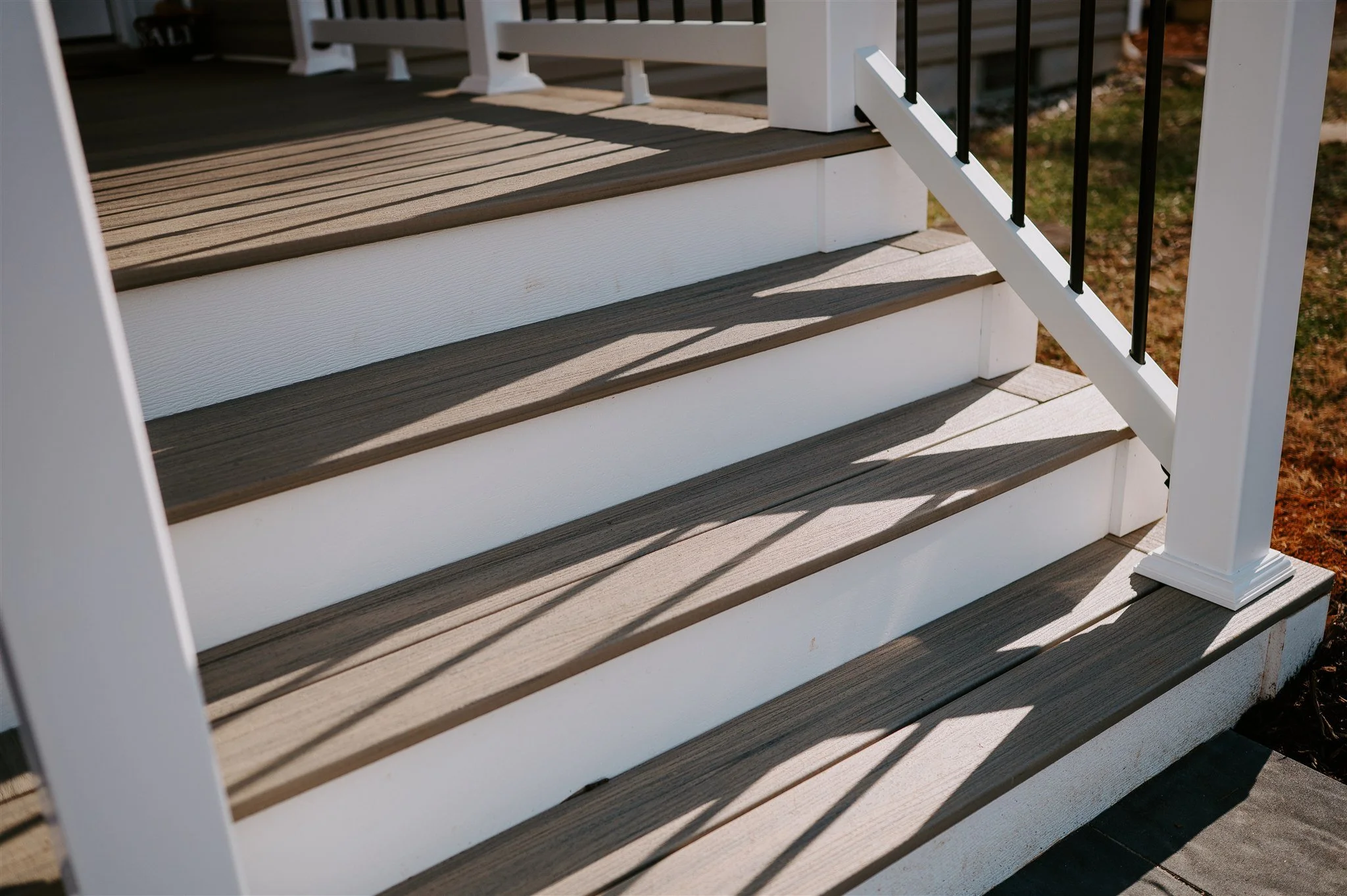
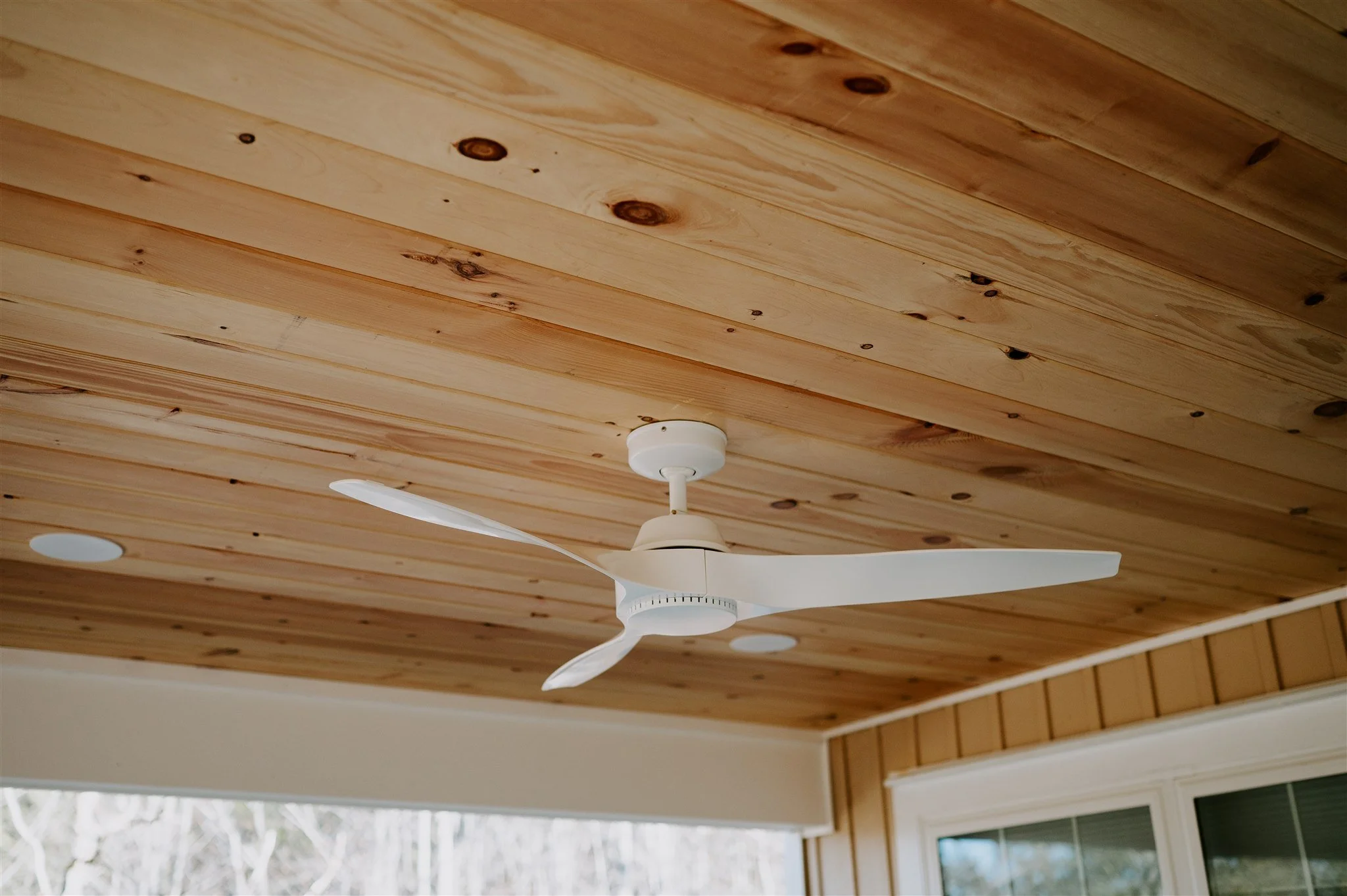
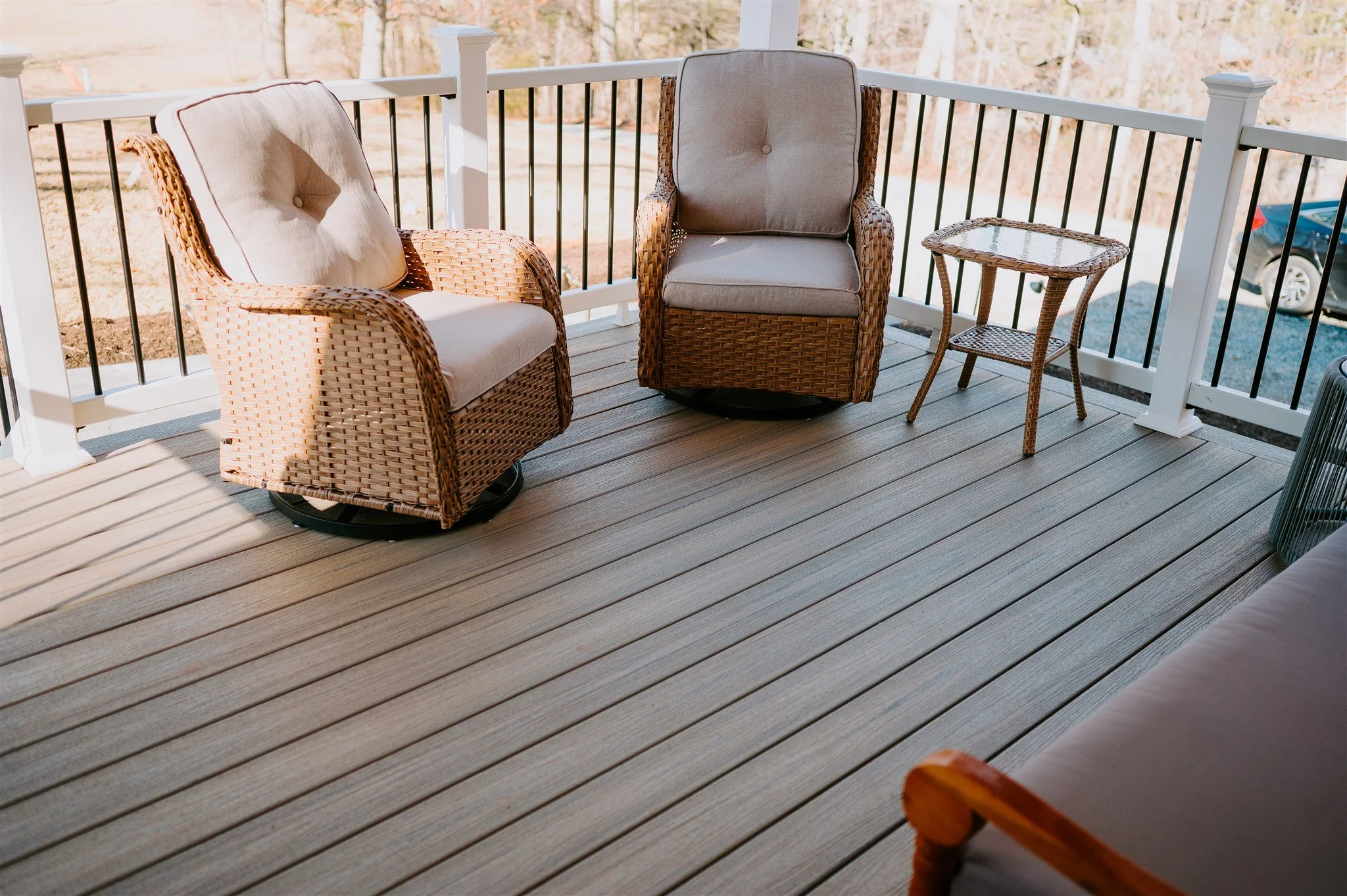
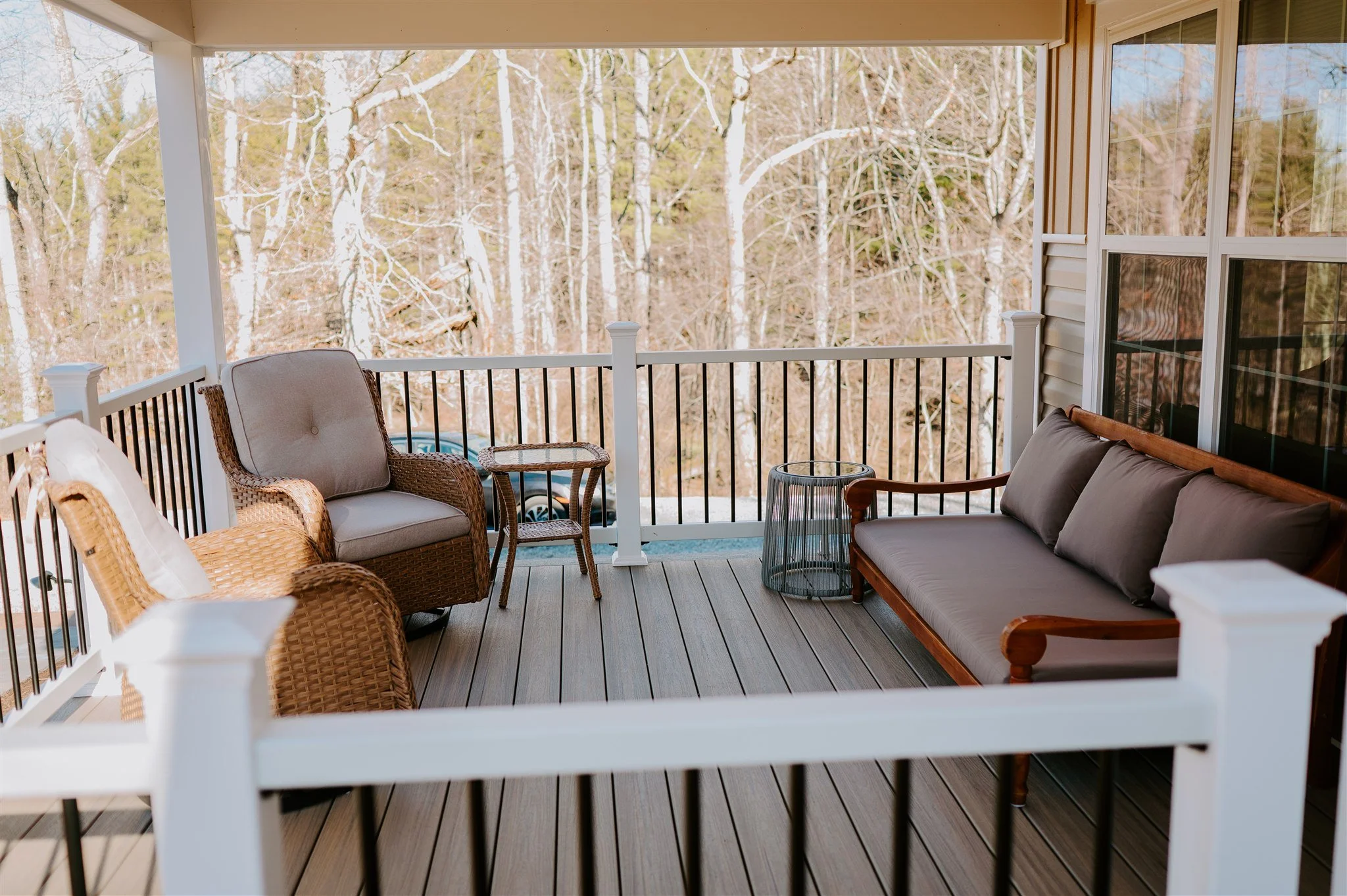
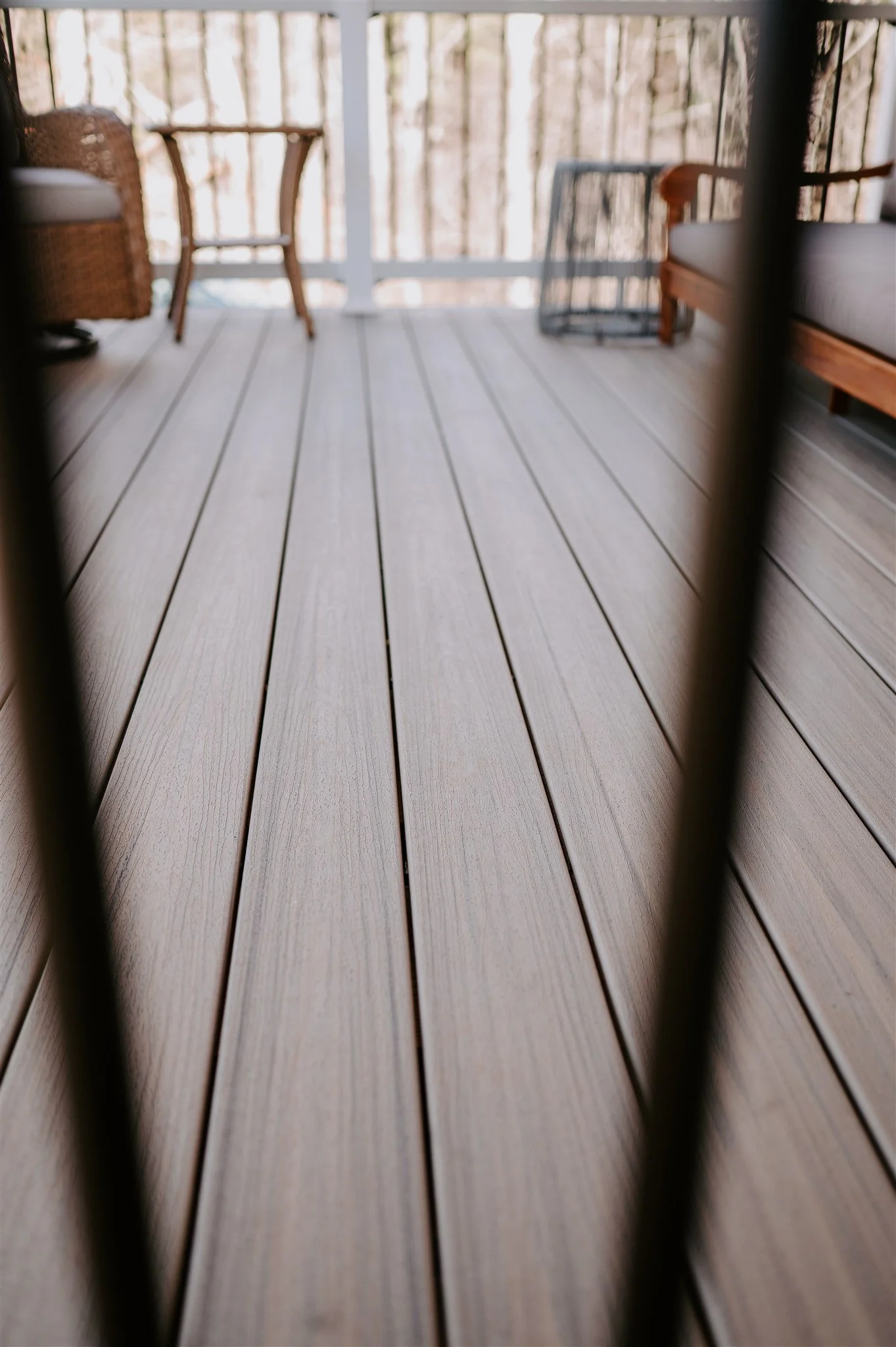
Trusted Work for Blacksburg Homeowners
The neighborhoods close to campus each come with their own personality. McBryde Village and the Southgate Drive corridor have mid-century brick ranches on sloped, tree-lined lots. Cedar Hill, just off South Main Street on the eastern campus edge, brings 1990s single-family homes on quarter-acre sites. Each situation calls for a different approach before a single board gets cut.
One thing that catches homeowners off guard: decks inside Blacksburg town limits are permitted through the Town of Blacksburg, not Montgomery County. Those are two separate processes with different contacts and different timelines. Knowing which one applies to your address before work starts saves real time. Spring and early fall build slots near campus fill fast — reach out early if you have a target season in mind.
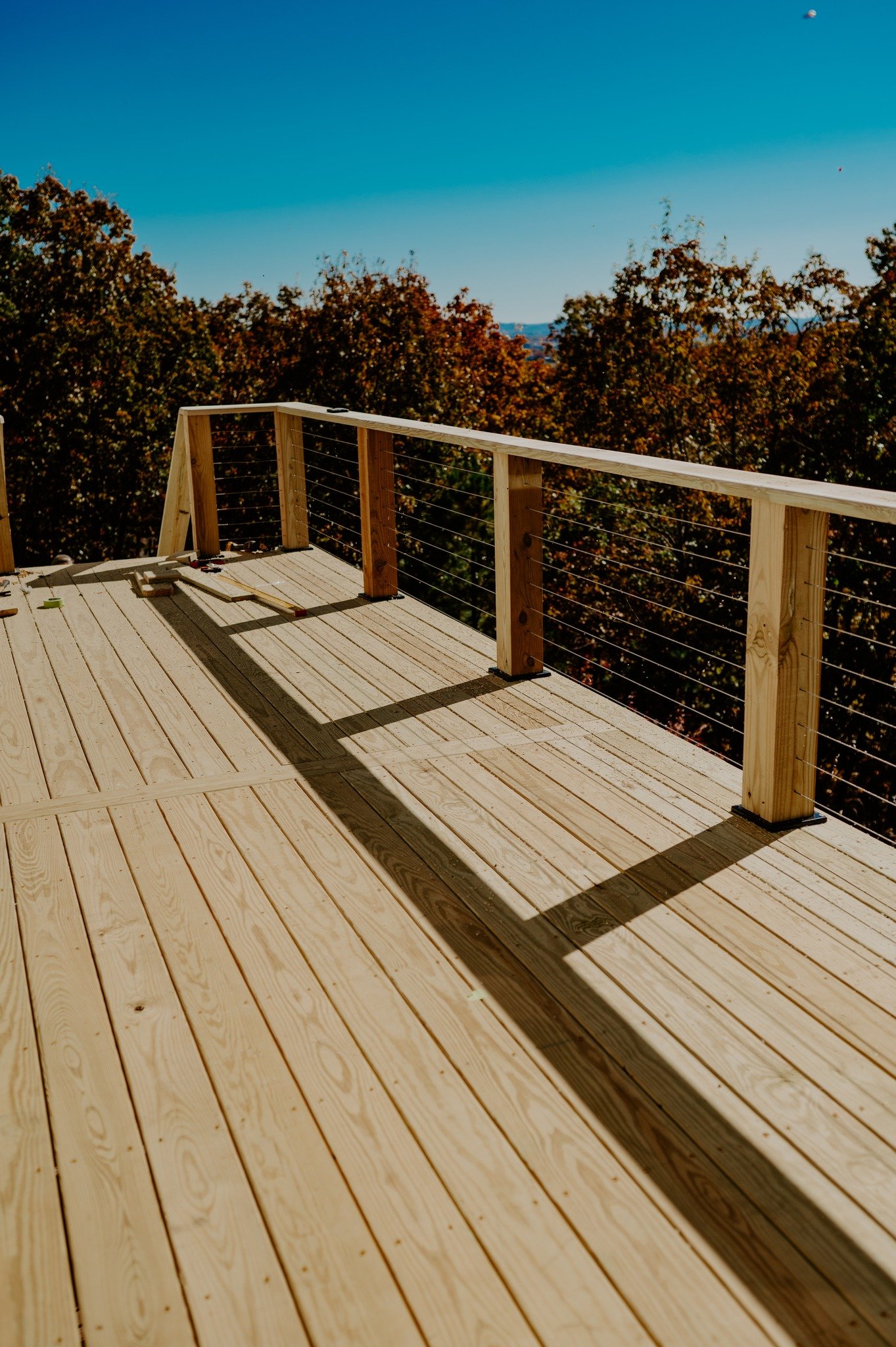
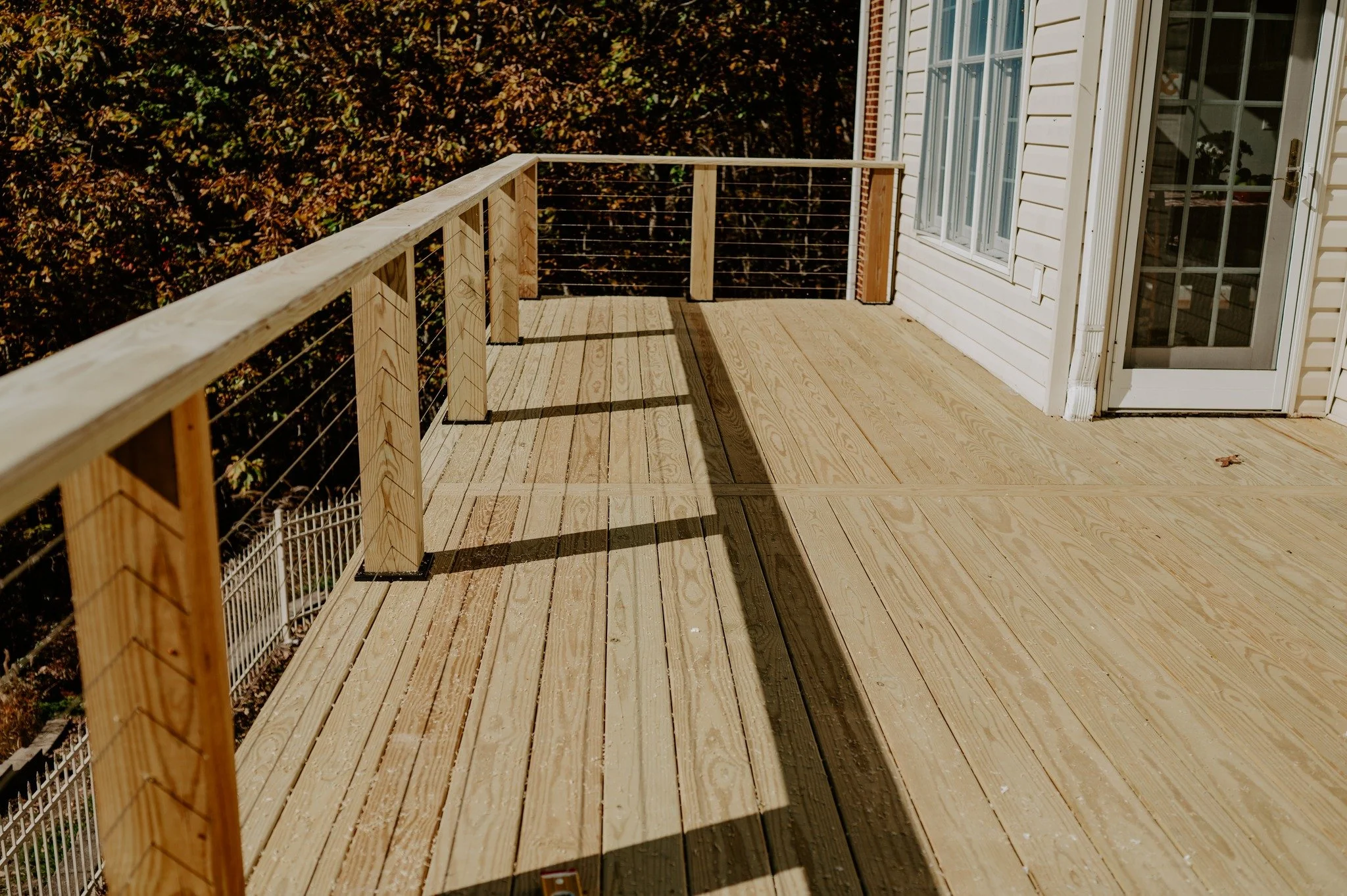
Blacksburg Homeowners Close to Virginia Tech Deal With Unique Site Conditions Every Builder Should Know
The lots along McBryde Village and the Southgate Drive corridor are older and tighter than most people expect. These are mid-century brick ranches on sloped ground, with mature hardwoods that have been growing since before the homes were built. Root systems shift footing placement. Slopes change the entire deck height calculation. Access paths are often too narrow for a standard material delivery. A builder who doesn't walk the site first will find all of this out the hard way.
Homes near the Duck Pond and the campus edge add another layer. Street access for trucks is limited in that corridor, and some residential approaches simply won't fit a full delivery without advance planning. We look at access before anything gets scheduled — not the morning the lumber shows up.
Brick and block foundations are common on mid-century ranches throughout this area. Attaching a ledger board to an older masonry wall requires different hardware and a different inspection approach than wood-framed construction. If your home has that kind of exterior, we account for it in the design before we price anything.
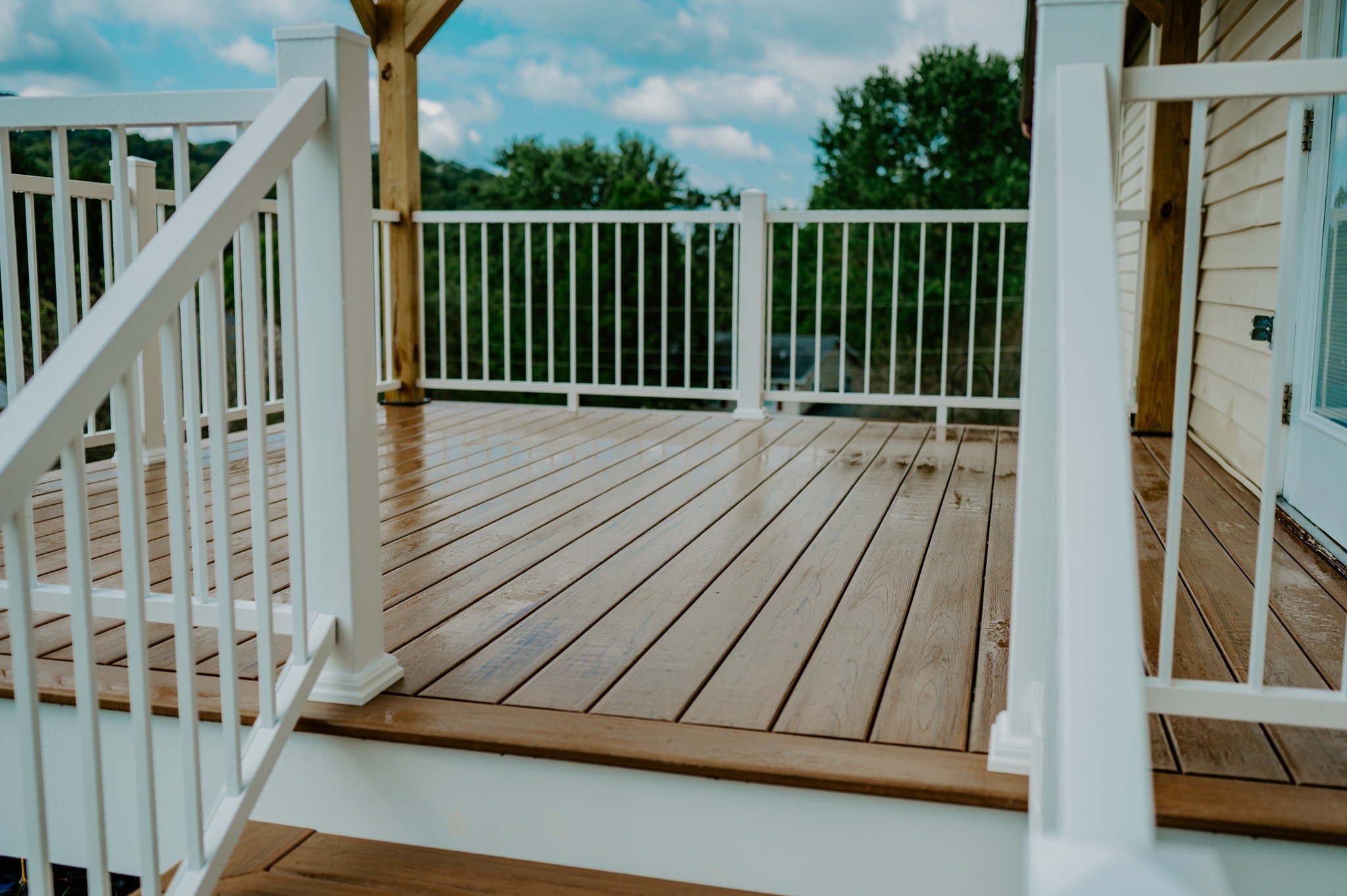
Choosing the Right Deck Materials Matters More at 2,080 Feet Than It Does in the Flatlands
Blacksburg's elevation does something to deck materials that homeowners in Richmond or Virginia Beach simply don't deal with. The freeze-thaw cycle here hits harder and repeats more often through the winter months. Unsealed pressure-treated wood doesn't just weather at this elevation — it moves. Boards cup, fasteners back out, and surfaces that looked fine in October start showing stress by March.
For surface boards, composite and PVC decking hold their shape through that cycle in a way wood can't match without consistent upkeep. Hidden fastener systems are worth the investment here too — they remove the surface holes where water gets in and ice does its work over time. Framing in pressure-treated lumber still makes sense for structural members, but the surface layer deserves a more durable pick.
Homes on the north side of Blacksburg near the Jefferson National Forest deal with heavy canopy coverage well into the day. That shade keeps surfaces damp longer than open lots, which means mold and mildew pressure is higher. Mold-resistant composite products handle that setting better than standard wood and need far less seasonal attention to stay clean.
Railing choice matters more near campus than people expect. Decks in this area see real social use — game day gatherings, cookouts, the kind of foot traffic that tests hardware over time. We spec railings for how the space will actually be used, not just what clears the minimum load requirement.
Deck Builders Who Serve Neighborhoods From Hethwood to Tom's Creek Know What Works Here
The homes closest to Virginia Tech sit on smaller lots with older trees and tighter access. McBryde Village off Prices Fork Road runs primarily mid-century ranches that often need more site preparation than a newer neighborhood would. The Southgate Drive corridor backs right up to campus and Lane Stadium — those are 1960s brick homes with big yards that have real deck potential, but the proximity to game-day traffic means project scheduling needs extra thought.
Cedar Hill, just east of campus along South Main Street, is a different animal. Homes here were built in the 1990s on quarter-acre lots — cleaner access and newer construction, but the small footprint means deck design has to be efficient. Kabrich Crescent and Hethwood-Prices Fork sit a bit further out, mixing 1970s ranch homes with newer builds on the same streets. Each of those calls for a different layout and material approach.
Out in the broader New River Valley, we regularly work in Christiansburg — about seven miles from campus via US-460 — and through the Radford corridor roughly twelve miles out. Prices Fork Road covers a wide range of property types, from established neighborhoods to larger private lots, and we're familiar with what building in that stretch requires. For VT faculty homes and larger properties in Brush Mountain and Ellett Valley, deck builds often make sense alongside a pergola or a screen enclosure — the lot sizes support it and the mountain views reward it.